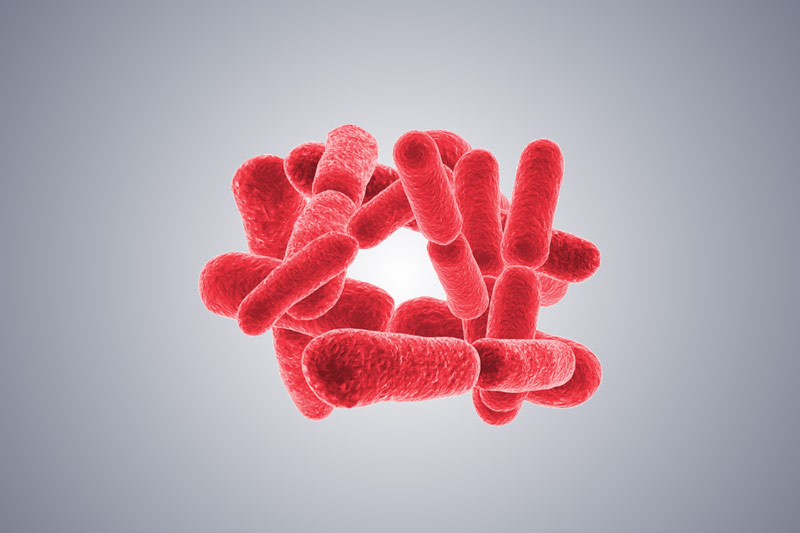
According to the U.S. National Institutes of Health, microorganisms in biofilms are responsible for over 80% of bacterial infections, with opportunistic pathogens in water system...Read More
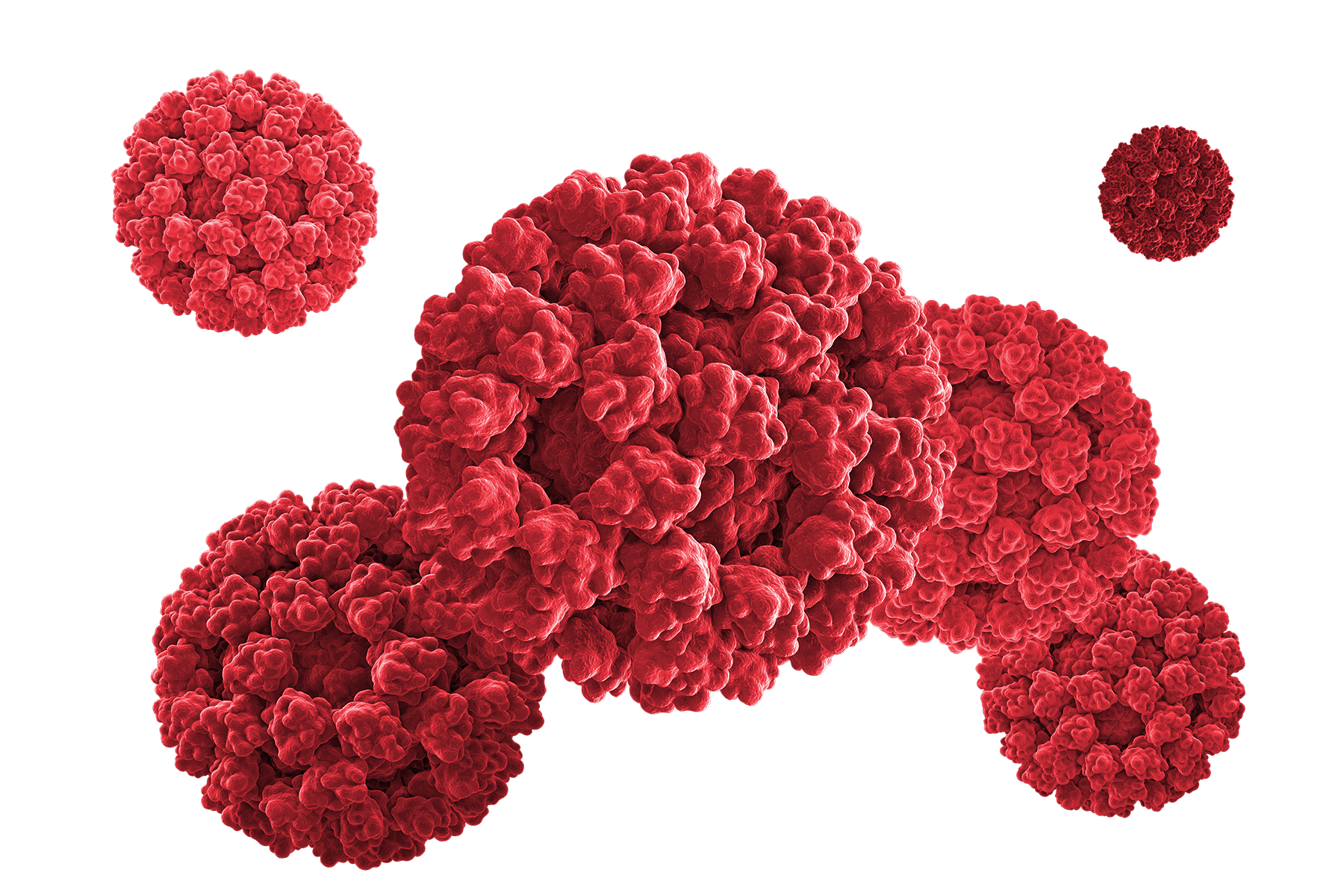
Norovirus is an example of a highly contagious, small, non-enveloped virus transmitted through food, water and touching contaminated surfaces. In the U.S., it is the...Read More
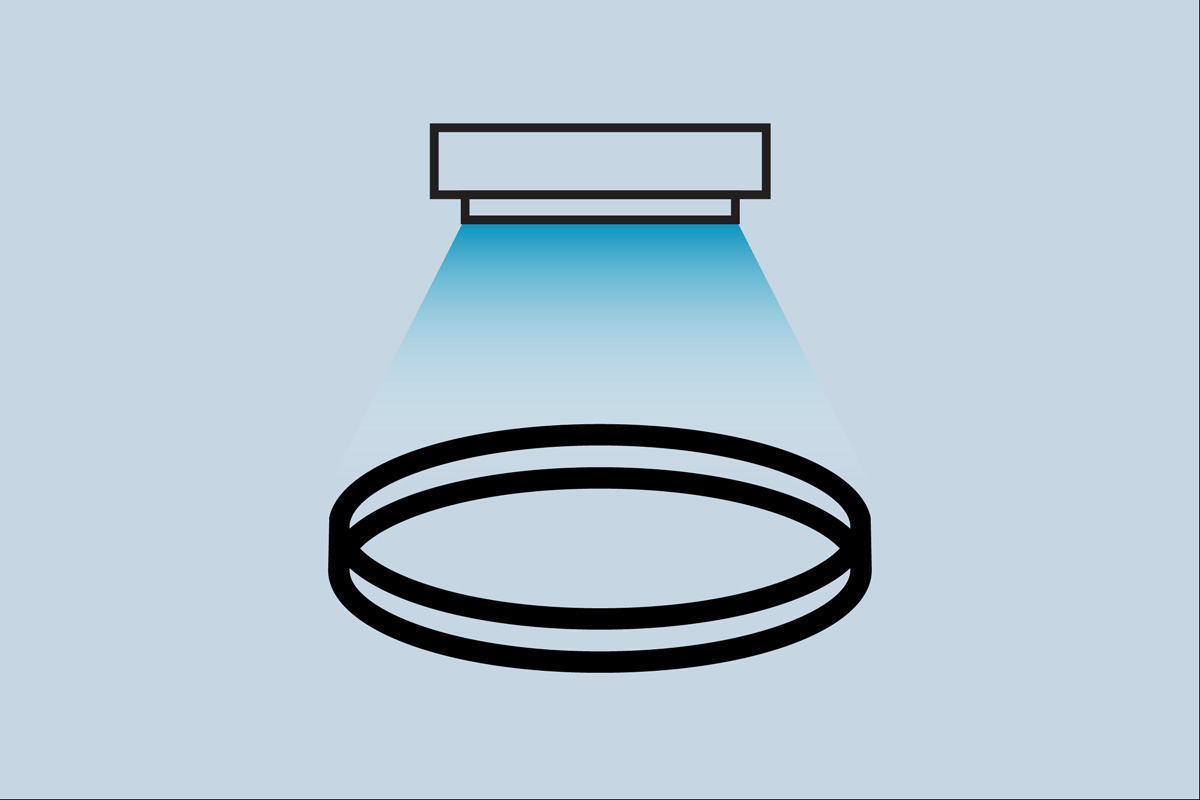
OEMs are moving away from mercury lamp-based UV systems and investing in UVC LED-based designs to leverage benefits around sustainability and maintenance for POE water...Read More
When designing disinfection systems, one of the core starting requirements is selecting the targeted reduction level of a specific microbe or, more specifically, reduction of...Read More
At some point in your design of a disinfection system, you will send it out for antimicrobial validation testing. As with any experiment or test,...Read More
As global urbanization continues to expand, creating densely populated areas, strains on water infrastructure are expected to increase 40 percent by 2030. This is leading...Read More
Understanding the importance of microbiological research is essential if your company is considering using UVC LED technology to target waterborne pathogens. This article in Water Quality...Read More
While UVC is a proven and potent anti-microbial technology, effective water disinfection depends on delivering the proper UV dose (a product of UV intensity and time) within...Read More
Deep ultraviolet (UVC) light emitting diodes (LEDs) are an irradiation source and require precautions to ensure safe use. This page contains information intended to familiarize...Read More